
What Is Answer Engine Optimization and How It Differs from Traditional SEO
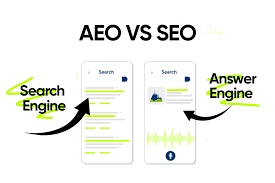
Explore What Is Answer Engine Optimization and How It Differs from Traditional SEO
In the constantly evolving world of digital marketing, businesses are increasingly seeking ways to ensure their content reaches the right audience efficiently. While traditional SEO has long focused on optimizing websites for search engine rankings, a newer approach called Answer Engine Optimization (AEO) has emerged to meet the changing expectations of searchers. AEO emphasizes providing direct, concise, and actionable answers to user queries, especially in an age where voice search, virtual assistants, and AI-driven responses are becoming dominant. Understanding the differences between AEO and traditional SEO, along with the strategies involved, is critical for businesses aiming to maintain visibility and authority in online search results.
Understanding Answer Engine Optimization
Answer Engine Optimization is the practice of structuring and creating content in a way that enables search engines and answer engines to deliver precise answers directly to users. Unlike traditional SEO, which focuses on ranking pages for keywords, AEO focuses on answering questions accurately, quickly, and authoritatively. The goal is to be the source that search engines recognize as the most reliable for a specific query, increasing the chances of appearing in featured snippets, knowledge panels, and voice search responses.
The rise of smart devices and virtual assistants has accelerated the importance of AEO. Users now expect immediate solutions to their questions, whether it’s a “how-to” guide, a product comparison, or local information. As a result, businesses must create content that anticipates the questions users are likely to ask and presents clear, structured answers.
Key Differences Between AEO and Traditional SEO
While traditional SEO revolves around improving rankings for specific keywords, AEO emphasizes intent-based optimization. Some of the main differences include:
-
Focus on Queries vs. Keywords: AEO centers around understanding and answering user questions, whereas traditional SEO prioritizes optimizing content for search terms.
-
Direct Answers vs. Page Ranking: AEO aims for content to be selected as the direct answer by search engines, while traditional SEO often targets top-ranking positions on result pages.
-
Structured and Concise Content: AEO relies on well-structured content with headings, bullet points, and short paragraphs to increase readability and extraction by algorithms. Traditional SEO may allow longer, less structured content focused on keyword density.
-
Voice and AI Integration: AEO considers how content will be interpreted by virtual assistants and AI-driven search tools, whereas traditional SEO focuses primarily on typed queries.
The Importance of Intent Analysis
A core element of AEO is understanding search intent. Businesses must analyze the types of questions users ask, their expectations for answers, and the context in which queries are made. This involves identifying informational, transactional, and navigational queries and tailoring content to provide precise solutions.
For example, a user searching “best running shoes for beginners” is likely seeking a direct recommendation with features, pros and cons, and buying guidance. An AEO-focused page would provide this information in a structured format that search engines can easily interpret and present.
Structuring Content for Answer Engines
To optimize for AEO, content should be organized to facilitate quick comprehension by both users and search engines. Key strategies include:
-
Using Headings and Subheadings: Break content into clearly labeled sections that correspond to specific user questions.
-
Short, Concise Paragraphs: Keep answers brief and focused, ideally under 50–60 words for direct answers.
-
Bullet Points and Numbered Lists: Highlight key information for easy scanning and extraction by search algorithms.
-
FAQs and How-To Sections: Address common questions directly, which increases the likelihood of appearing in featured snippets.
Structured content helps algorithms identify the most relevant portion of a page to present as an answer, enhancing visibility and user satisfaction.
The Role of Voice Search in AEO
Voice search has significantly influenced the rise of Answer Engine Optimization. Users ask questions conversationally, often using long-tail phrases rather than short keywords. Content must now accommodate these natural language queries, anticipating how questions might be phrased verbally.
For instance, instead of optimizing for “best laptops 2026,” an AEO strategy, as recommended by many Digital Marketing Agencies in the USA, would consider questions like “Which laptops are best for students in 2026?” Voice search also favors concise, clear answers that can be read aloud by virtual assistants, making AEO essential for capturing this traffic.
Measuring Success in AEO
Monitoring the effectiveness of AEO strategies differs from traditional SEO metrics. Instead of solely tracking keyword rankings, businesses need to consider:
-
Featured snippet appearances
-
Click-through rates from answer panels
-
Engagement metrics such as time on page and scroll depth
-
Voice search query performance
-
Conversions or actions taken following an answer
Analyzing these metrics allows marketers to refine content, ensure it meets user intent, and maintain authoritative positioning.
Integrating Traditional SEO and AEO
Although AEO differs from traditional SEO, the two approaches complement each other. Optimizing content for both ensures broader visibility across search engine results pages. Best practices include:
-
Maintaining keyword relevance while answering user questions
-
Using internal linking to support discoverability
-
Enhancing page load speed and mobile responsiveness
-
Leveraging structured data to improve search engine understanding
When combined, traditional SEO and AEO create a comprehensive strategy that captures traffic from both general searches and answer-focused queries.
Common Mistakes to Avoid in AEO
-
Creating content without addressing specific questions or intent
-
Ignoring structured data and proper formatting
-
Overloading content with keywords instead of clear answers
-
Neglecting mobile optimization and voice search compatibility
-
Failing to monitor and update content based on user behavior and algorithm changes
Avoiding these mistakes ensures that AEO content remains authoritative, relevant, and visible to both users and search engines.
Final Thoughts
Answer Engine Optimization represents the evolution of search strategies, moving from keyword-focused optimization to intent-driven content that directly satisfies user queries. Businesses that implement AEO can enhance their visibility in featured snippets, knowledge panels, and voice search results, providing a more engaging and effective experience for users.
FAQs (Frequently Asked Questions)
What is Answer Engine Optimization (AEO)?
Answer Engine Optimization focuses on structuring and creating content so search engines can provide direct, concise, and accurate answers to user queries. Unlike traditional SEO, AEO prioritizes intent and clarity over ranking for keywords.
How does AEO differ from traditional SEO?
Traditional SEO focuses on ranking pages for specific keywords, while AEO aims to provide precise answers to queries, often appearing in featured snippets, knowledge panels, or voice search results.
Why is structured content important for AEO?
Structured content with headings, bullet points, and concise paragraphs allows search engines to easily extract answers. Clear formatting increases the likelihood of being selected as the authoritative response.
How does voice search affect AEO strategies?
Voice search relies on natural, conversational queries. Content optimized for AEO must anticipate how questions are phrased verbally, providing short, direct answers that virtual assistants can read aloud.
Can traditional SEO and AEO be used together?
Yes. Combining keyword optimization with intent-focused content ensures visibility across both traditional search results and answer-focused queries, maximizing reach and engagement.
How do you measure success in AEO?
Success is measured by featured snippet appearances, engagement metrics, click-through rates, voice search performance, and conversions, rather than solely tracking keyword rankings.
What are common mistakes to avoid in AEO?
Common mistakes include ignoring user intent, failing to use structured data, overloading content with keywords, neglecting mobile optimization, and not updating content based on performance insights.
Why is AEO important for modern digital marketing?
AEO is crucial because users increasingly expect direct, quick answers. Implementing AEO enhances visibility, user engagement, and authority in search results, making it essential for competitive online presence.

 English
 French
 Spanish
 Portuguese
 Deutsch
 Turkish
 Dutch
Dutch
 Italiano
 Russian
 Romaian
 Portuguese (Brazil)
 Greek
Greek