
Complete Guide to Trace Moisture Analysis in Industrial Applications
Moisture may seem harmless, but even the smallest traces of water can create serious problems in many industrial processes. From pharmaceuticals and electronics to oil, gas, and chemical manufacturing, excess moisture can damage equipment, spoil products, and reduce operational efficiency. That is why industries today rely on precise measurement technologies to detect even microscopic levels of water contamination.
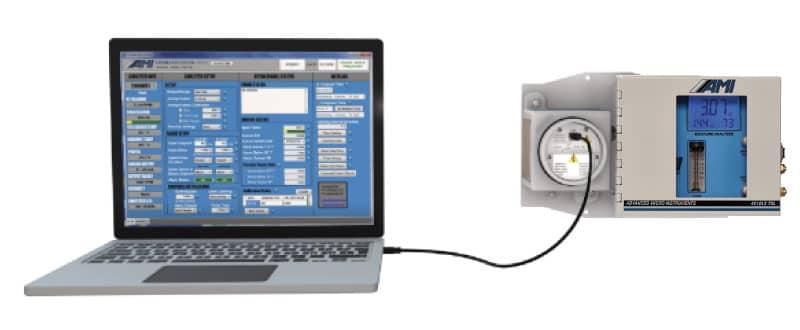
One of the most reliable tools for this task is a Trace moisture analyzer, a highly sensitive instrument designed to measure extremely low moisture concentrations in gases and liquids. These analyzers help businesses maintain quality, safety, and compliance standards while preventing costly downtime.
In this guide, we will explore how moisture detection works, why it matters, and how advanced analyzers help industries maintain optimal performance.
Why Trace Moisture Matters
Most industrial processes require strict environmental control. Even a small amount of moisture can cause:
-
Corrosion in pipelines and machinery
-
Chemical instability or unwanted reactions
-
Electrical failures in sensitive equipment
-
Reduced shelf life of products
-
Contamination of gases and solvents
For example, in compressed air systems, moisture leads to rust and system breakdowns. In pharmaceuticals, it can alter chemical compositions. In electronics manufacturing, humidity may damage microchips and circuits.
Because of these risks, detecting moisture at very low levels — sometimes parts per million (ppm) or even parts per billion (ppb) — is critical. Traditional humidity sensors are often not accurate enough for these measurements, which is where specialized technology becomes essential.
What is a Trace Moisture Analyser?
A Trace moisture analyser is a precision instrument designed to detect extremely low amounts of water vapor or moisture in gases and liquids. Unlike standard humidity meters, it focuses on ultra-low ranges, making it ideal for industries that demand high purity.
These devices use advanced sensing methods such as:
-
Dew point measurement
-
Electrolytic sensors
-
Quartz crystal microbalance
-
Tunable diode laser absorption spectroscopy
-
Capacitive polymer sensors
Each method provides accurate, real-time readings to ensure moisture levels stay within acceptable limits.
The primary goal of these analyzers is prevention. By identifying moisture before it reaches harmful levels, businesses can avoid equipment damage and production losses.
How Moisture Detection Technology Works
Different technologies operate in different ways, but most follow a similar principle: measuring how water interacts with a sensing element.
Dew Point Method
This method calculates the temperature at which water vapor condenses into liquid. Lower dew points indicate drier conditions. It is widely used in gas systems and compressed air monitoring.
Electrolytic Sensors
These sensors break water molecules into hydrogen and oxygen using electrolysis. The electrical current produced is directly proportional to the moisture level.
Laser-Based Systems
Laser analyzers measure how light is absorbed by water molecules. They are extremely fast and accurate, often used in high-end industrial applications.
The choice of technology depends on the specific application, environment, and required precision.
Key Industrial Applications
Moisture measurement plays a vital role in several sectors. Let’s look at the most common uses.
Oil and Gas Industry
Pipelines transporting natural gas must remain dry to prevent corrosion and hydrate formation. A Trace moisture analyser continuously monitors gas quality to ensure safe transportation and compliance with regulations.
Pharmaceutical Manufacturing
Medicines and powders can absorb moisture, affecting stability and effectiveness. Accurate moisture control ensures consistent product quality and longer shelf life.
Electronics Production
Semiconductors and circuit boards are extremely sensitive to humidity. Even slight moisture can cause defects. Controlled environments with precise monitoring protect delicate components.
Food Processing
Excess water can promote bacterial growth and spoilage. Monitoring helps maintain hygiene standards and extend product freshness.
Chemical Processing
Chemical reactions often depend on strict moisture levels. Accurate detection prevents unwanted reactions and ensures predictable results.
Benefits of Using Advanced Moisture Analyzers
Investing in reliable moisture measurement technology offers many advantages.
Improved Product Quality
Consistent moisture levels ensure uniform results, reducing defects and waste.
Equipment Protection
Detecting moisture early prevents corrosion and mechanical damage, extending equipment life.
Energy Efficiency
Dry systems operate more efficiently, lowering energy consumption and operating costs.
Regulatory Compliance
Many industries must meet strict standards. Continuous monitoring helps maintain compliance.
Cost Savings
Preventing failures and downtime saves significant repair and replacement expenses.
A well-calibrated Trace moisture analyser becomes a proactive maintenance tool rather than just a measurement device.
Features to Look for When Choosing an Analyzer
Not all analyzers are the same. Choosing the right one depends on your operational needs. Consider these factors:
Measurement Range
Ensure the device covers the required ppm or ppb levels for your application.
Accuracy and Sensitivity
High precision is essential when dealing with trace amounts.
Response Time
Faster readings allow quicker adjustments and better process control.
Durability
Industrial environments can be harsh. Look for rugged and corrosion-resistant designs.
Calibration and Maintenance
Easy calibration reduces downtime and ensures reliable results.
Connectivity
Modern analyzers offer digital outputs, remote monitoring, and integration with control systems.
Selecting the right system improves reliability and long-term performance.
Best Practices for Accurate Measurements
To get the most from your analyzer, proper installation and maintenance are crucial.
-
Install sensors in representative sampling locations
-
Avoid leaks in sampling lines
-
Perform regular calibration
-
Keep filters clean
-
Monitor environmental conditions
-
Train operators properly
Following these practices ensures consistent readings and extends equipment life.
Future Trends in Moisture Analysis
Technology continues to evolve, making moisture detection smarter and more efficient. Emerging trends include:
-
IoT-enabled monitoring
-
Wireless sensors
-
Cloud-based data logging
-
AI-driven predictive maintenance
-
Miniaturized portable devices
These advancements allow real-time insights and automated decision-making, helping industries optimize performance and reduce risks.
The modern Trace moisture analyser is becoming more compact, faster, and easier to integrate into automated systems, making it an essential part of smart manufacturing environments.
Conclusion
Moisture control is not just a technical requirement — it is a critical factor in maintaining safety, efficiency, and product quality across industries. Even tiny amounts of water can lead to corrosion, contamination, and costly failures. That’s why precise monitoring solutions are indispensable.
By using a dependable Trace moisture analyser, companies gain accurate, real-time insights into moisture levels, enabling them to prevent problems before they occur. Whether in oil and gas, pharmaceuticals, electronics, or food processing, these instruments ensure reliability and operational excellence.
As technology advances, moisture measurement tools will become even more powerful, offering smarter analytics and seamless integration. Investing in the right solution today prepares businesses for a more efficient and resilient future.

 English
 Arabic
 French
 Spanish
 Portuguese
 Deutsch
 Turkish
 Dutch
Dutch
 Italiano
 Romaian
 Portuguese (Brazil)
 Greek
Greek