
How Technology Is Improving Modern Eye Care
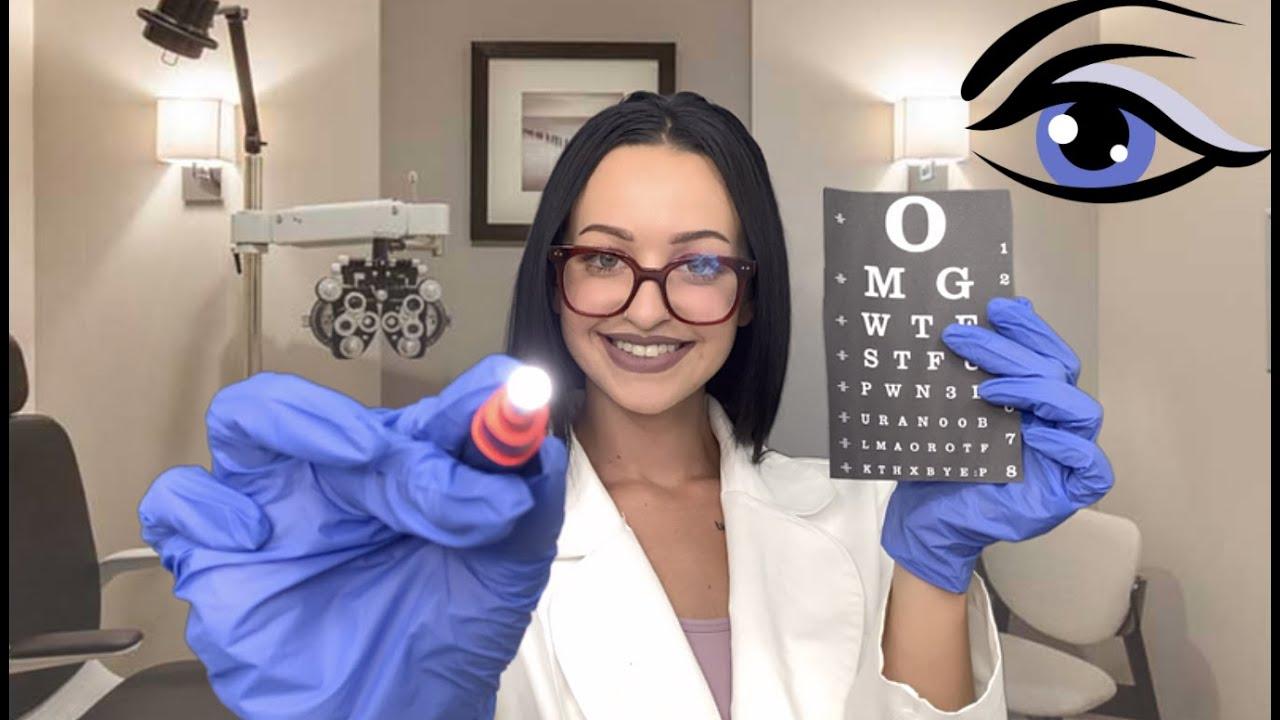
Vision is one of the most critical senses, affecting nearly every aspect of daily life. Regular eye care is essential for maintaining good health, yet traditional methods of assessment and treatment often required multiple in-person visits and sometimes lengthy procedures.
Thanks to modern technological advancements, eye care has become more efficient, accurate, and accessible. From advanced diagnostic tools to AI-powered systems, technology is revolutionizing how eye health is monitored and treated, enhancing both patient experiences and practitioner effectiveness.
Advanced Diagnostic Tools
Modern eye care benefits greatly from advanced diagnostic technologies. Digital retinal imaging and optical coherence tomography (OCT) allow ophthalmologists to view detailed cross-sections of the retina, helping detect early signs of diseases like glaucoma and macular degeneration. Automated visual field testing provides precise measurements of peripheral vision, assisting in the early detection of vision loss.
For individuals scheduling an eye check in Sydney, these tools ensure a thorough and accurate assessment. Early detection through these technologies enables timely interventions, reducing the risk of irreversible damage and improving long-term eye health outcomes.
Telehealth and Remote Eye Consultations
Telehealth has expanded into eye care, offering virtual consultations for patients who may have difficulty attending in-person appointments. Remote consultations can evaluate visual symptoms, review test results, and provide guidance for follow-up care.
Wearable devices integrated with telehealth platforms allow for continuous monitoring of conditions like glaucoma or dry eye syndrome. Patients can share real-time data with their eye care specialists, reducing unnecessary visits and enabling quicker response to changes in eye health.
AI and Machine Learning in Eye Care
Artificial intelligence (AI) and machine learning are transforming diagnostics and treatment planning. AI-powered systems can analyze retinal images and other diagnostic data to detect conditions with remarkable accuracy. Predictive analytics help ophthalmologists identify patients at higher risk for certain eye diseases, allowing for personalized care strategies.
By integrating AI into routine practice, eye care professionals can reduce human error and accelerate the diagnostic process. Patients benefit from faster assessments and more precise treatment plans. For example, AI-supported analysis can flag subtle signs of diabetic retinopathy or early glaucoma that may be missed in a traditional examination, ensuring timely interventions.
Laser and Minimally Invasive Procedures
Technological advancements have also improved surgical outcomes. LASIK and cataract surgeries now utilize precision-guided lasers, offering greater accuracy and fewer complications. Retinal disorders can be treated with minimally invasive laser procedures, reducing recovery time and improving patient comfort.
Patients undergoing these procedures experience faster recovery, less discomfort, and enhanced visual results. By combining diagnostic technology with advanced surgical techniques, modern eye care delivers outcomes that were once unattainable.
Smart Contact Lenses and Wearables
The rise of smart contact lenses and wearable devices is another technological leap in eye care. These innovations can monitor intraocular pressure for glaucoma patients, track eye movement patterns, and integrate with apps for daily vision monitoring.
Wearable technology allows patients to take a proactive role in their eye health. For instance, continuous pressure monitoring can alert both patients and clinicians to changes that require immediate attention. With such tools, routine follow-ups and interventions become more efficient and effective.
Electronic Health Records and Patient Management Systems
Digital records and patient management systems streamline eye care workflows. Centralized electronic health records allow practitioners to track a patient’s history, treatments, and diagnostic results in one place. This integration improves communication between optometrists and specialists, ensuring continuity of care.
Efficient management systems also simplify scheduling, reminders, and follow-ups. When patients book an eye check in Sydney, digital systems ensure that all necessary records are accessible, minimizing delays and enhancing the overall patient experience.
Benefits for Patients and Practitioners
The technological revolution in eye care offers multiple benefits:
-
Improved accuracy: Advanced diagnostics and AI analysis reduce the likelihood of misdiagnosis.
-
Faster care: Telehealth, smart devices, and efficient workflows shorten appointment times and follow-ups.
-
Enhanced patient engagement: Wearables and remote monitoring empower patients to take control of their eye health.
-
Early detection: Technology allows practitioners to identify and treat conditions before they progress.
These innovations ensure that both patients and practitioners experience a smoother, safer, and more effective eye care journey.
Challenges and Considerations
Despite these benefits, there are challenges to widespread adoption. Advanced diagnostic tools and laser equipment can be costly, limiting access for some patients. Practitioners require ongoing training to use these technologies effectively, and data privacy concerns must be addressed to protect sensitive patient information.
Nonetheless, the advantages of technology in eye care outweigh the challenges. Continued innovation promises even more efficient, accurate, and patient-friendly solutions in the near future.
Conclusion
Technology is reshaping modern eye care, making it more accurate, convenient, and effective than ever before. From AI-powered diagnostics and telehealth consultations to laser procedures and smart wearables, innovations have improved patient outcomes and streamlined practitioner workflows.
Patients who embrace these technological advancements benefit from faster assessments, early disease detection, and personalized treatment plans. As modern eye care continues to evolve, maintaining eye health has never been more accessible, precise, or patient-centered.

 English
 Arabic
 French
 Spanish
 Portuguese
 Turkish
 Dutch
Dutch
 Italiano
 Russian
 Romaian
 Portuguese (Brazil)
 Greek
Greek