
Arabic Bridal Dress: A Timeless Symbol of Elegance, Culture, and Royal Beauty
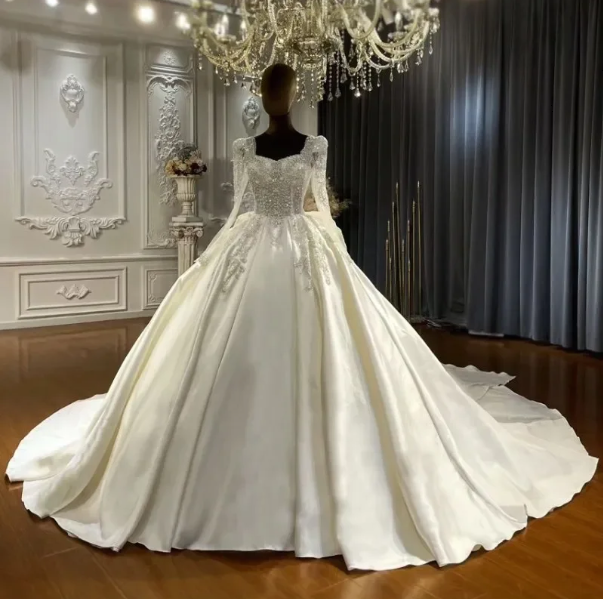
An Arabic bridal dress is far more than a wedding outfit—it is a powerful symbol of heritage, femininity, luxury, and timeless elegance. Across the Arab world, bridal fashion reflects centuries of tradition blended beautifully with modern couture. From lavish embroidery and flowing silhouettes to rich fabrics and regal detailing, Arabic bridal dresses are admired globally for their unmatched grace and sophistication.
In recent years, Arabic bridal fashion has gained international recognition, inspiring designers and brides far beyond the Middle East. This article explores the meaning, styles, fabrics, colors, and modern trends of the Arabic bridal dress, while explaining why it remains one of the most luxurious bridal styles in the world.
Cultural Significance of the Arabic Bridal Dress
The Arabic bridal dress is deeply rooted in cultural and family traditions. Weddings in Arab societies are grand celebrations, often lasting several days, and the bride’s attire plays a central role in these ceremonies. The dress symbolizes purity, honor, prosperity, and the transition into a new phase of life.
In many Arab cultures, the bride may wear multiple dresses throughout the wedding events, but the main bridal gown stands out as the most elaborate and meaningful. The craftsmanship, detailing, and elegance of the dress reflect the importance of marriage and the family’s pride.
Traditional Styles of Arabic Bridal Dresses
Arabic bridal dresses vary by region, but they share common elements of modesty, richness, and luxury.
1. Kaftan-Inspired Bridal Dresses
One of the most iconic styles is the bridal kaftan. This design features long flowing sleeves, a loose silhouette, and intricate hand embroidery. Bridal kaftans are often worn during engagement ceremonies or traditional wedding nights and are especially popular in North Africa.
2. Abaya-Style Bridal Gowns
Some Arabic brides choose abaya-inspired dresses that combine modest coverage with couture detailing. These gowns are elegant, flowing, and richly decorated with crystals, pearls, and gold threadwork.
3. Ball Gown Arabic Bridal Dresses
Modern Arabic bridal fashion has embraced dramatic ball gowns. These dresses feature voluminous skirts, structured bodices, long trains, and luxurious embellishments. They create a royal and majestic look, perfect for grand wedding halls.
Fabrics Used in Arabic Bridal Dresses
Fabric selection is crucial in creating the luxurious feel of an Arabic bridal dress. Designers carefully choose materials that drape beautifully and enhance the overall elegance.
Common fabrics include:
-
Silk and satin for smooth, royal finishes
-
Velvet for richness and depth, especially in winter weddings
-
Chiffon and organza for light, flowing layers
-
Tulle for volume and dramatic skirts
These fabrics are often layered to create dimension and movement, making the bride appear graceful with every step.
Embroidery and Embellishments
What truly defines an Arabic bridal dress is its intricate decoration. Handcrafted embroidery is a signature feature, often taking months to complete.
Popular embellishment techniques include:
-
Gold and silver thread embroidery
-
Crystal, pearl, and bead detailing
-
Swarovski stone embellishments
-
Floral and geometric Arabic motifs
Gold embroidery, in particular, is symbolic of wealth, happiness, and blessing, making it a popular choice for bridal gowns.
Colors in Arabic Bridal Dresses
While white remains a popular bridal color, Arabic bridal dresses are known for embracing a wider and richer color palette.
Common colors include:
-
Ivory and champagne for classic elegance
-
Gold and beige for royal luxury
-
Red and maroon symbolizing love and prosperity
-
Emerald green and royal blue for bold, regal statements
Many brides choose custom color combinations, blending tradition with personal taste.
Modesty and Silhouette
Modesty is a defining aspect of Arabic bridal fashion. Dresses often feature:
-
Long sleeves
-
High necklines
-
Floor-length designs
-
Full coverage with layered fabrics
However, modesty does not limit beauty. Arabic bridal dresses balance coverage with intricate detailing, structured tailoring, and dramatic silhouettes that enhance the bride’s presence.
Modern Trends in Arabic Bridal Dresses
Contemporary designers are redefining the Arabic bridal dress by blending tradition with modern fashion trends.
Some popular modern trends include:
-
Detachable capes and overskirts
-
Long dramatic trains
-
Minimalist designs with heavy embroidery accents
-
Fusion styles combining Western gowns with Arabic elements
These innovations allow brides to honor tradition while expressing individuality.
Accessories Paired with Arabic Bridal Dresses
Accessories play a vital role in completing the bridal look.
Common accessories include:
-
Heavily embellished veils
-
Gold or diamond tiaras
-
Statement jewelry sets
-
Decorative belts accentuating the waist
Each accessory is chosen to complement the dress without overpowering it.
Why Arabic Bridal Dresses Are Loved Worldwide
Arabic bridal dresses are admired globally because they represent:
-
Exceptional craftsmanship
-
Luxurious materials
-
Regal silhouettes
-
Cultural richness
International brides increasingly choose Arabic-inspired bridal dresses for destination weddings, luxury ceremonies, and couture bridal fashion.
Choosing the Perfect Arabic Bridal Dress
When selecting an Arabic bridal dress, brides should consider:
-
Wedding venue and theme
-
Cultural traditions
-
Comfort and movement
-
Personal style preferences
Custom-made dresses are highly popular, allowing brides to tailor every detail to their vision.
Conclusion
The Arabic bridal dress stands as a timeless expression of beauty, tradition, and luxury. With its rich fabrics, detailed embroidery, modest elegance, and royal silhouettes, it continues to captivate brides across cultures and generations.
Whether traditional or modern, simple or extravagant, an Arabic bridal dress transforms a bride into a vision of grace and dignity. It is not just a wedding gown—it is a story of heritage, craftsmanship, and unforgettable elegance that lives on long after the wedding day.

 English
 Arabic
 French
 Portuguese
 Deutsch
 Turkish
 Dutch
Dutch
 Italiano
 Russian
 Romaian
 Portuguese (Brazil)
 Greek
Greek