
Moisture Meter | A Complete Guide to Accurate Moisture Testing for Construction, Agriculture, and Industry
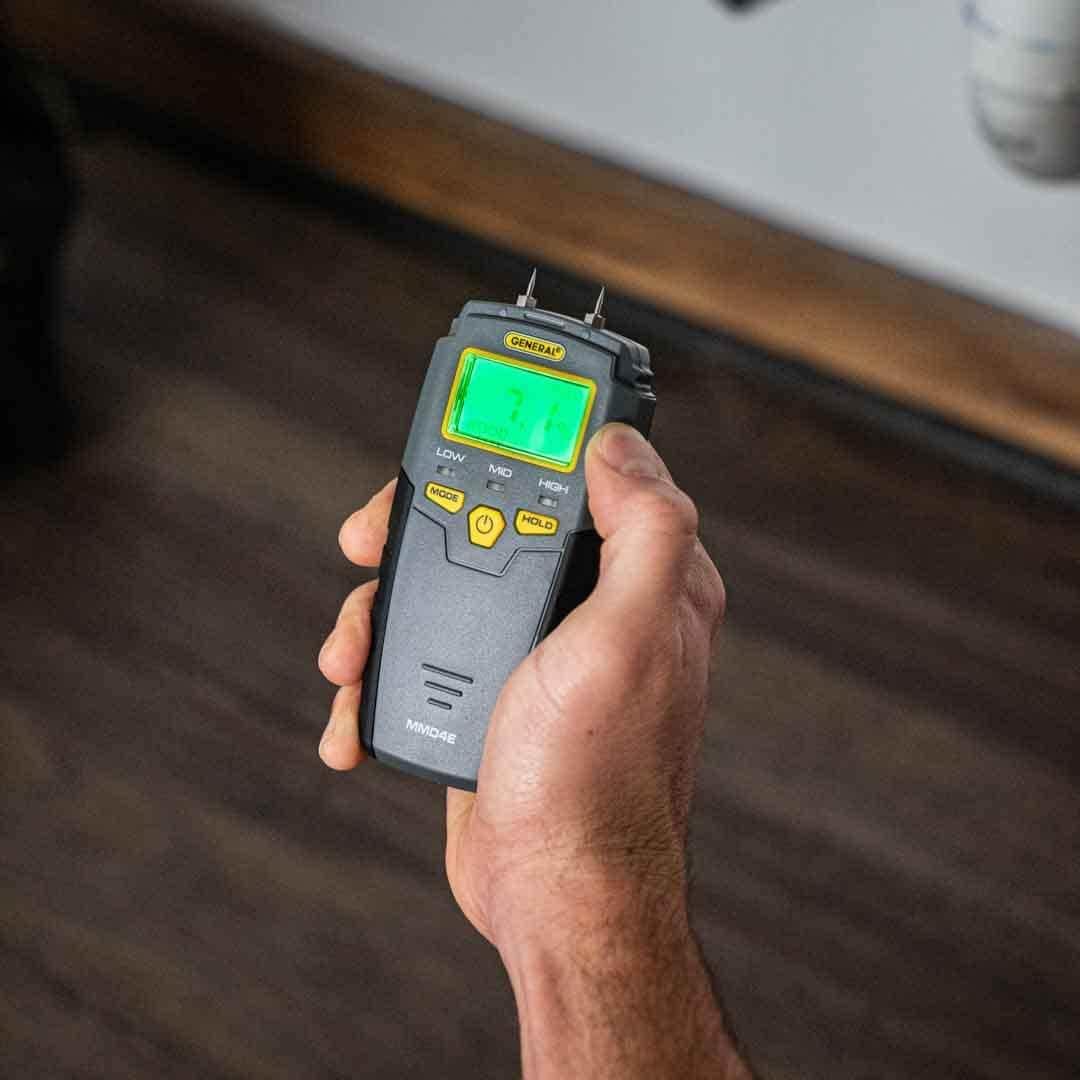
Moisture is a hidden factor that quietly affects the strength, quality, and durability of many materials we use every day. Whether it is wood inside a home, concrete in a commercial building, soil in farmland, or grain in storage, the presence of excess water can create serious problems if not properly monitored. Warping, mold growth, corrosion, structural damage, and product loss often begin with unnoticed moisture. That is why professionals rely on a Moisture meter to detect and measure water content before it leads to costly consequences.
In today’s fast-paced industries, guessing is not acceptable. Accurate data is essential for making informed decisions. Instead of relying on visual inspection or touch, which can be misleading, modern testing tools provide clear numerical readings within seconds. This ability to measure precisely helps contractors, inspectors, farmers, and technicians maintain safety, improve quality, and avoid expensive repairs.
This article explores how moisture measurement works, why it matters, and how this device has become a must-have tool across multiple industries.
Why Moisture Control Is So Important
Water may seem harmless, but too much of it can weaken materials and compromise performance. Wood that is installed while damp can shrink or twist after drying. Concrete slabs with trapped moisture can cause flooring adhesives to fail. Grain stored with high moisture can develop mold and spoil. Even walls in homes can suffer hidden damage that leads to health risks.
These issues often remain invisible at first. By the time problems become noticeable, repairs may already be expensive. Proper testing helps prevent such situations. Measuring moisture levels early ensures that materials are safe, stable, and ready for use.
Using a Moisture meter allows users to catch problems before they grow, saving both time and money.
What Is a Moisture Meter?
A Moisture meter is a portable device designed to measure the amount of water content inside a material. It provides readings that show whether the material is too wet, too dry, or within an acceptable range. Most devices display results as a percentage or scale value that can be easily interpreted.
These meters are lightweight and easy to carry, making them perfect for fieldwork. They deliver instant feedback, eliminating the need for slow laboratory tests. Because of their convenience and accuracy, they have become standard equipment for many professionals.
From small DIY projects to large industrial operations, this device plays a critical role in maintaining quality control.
How Moisture Measurement Works
The science behind moisture testing is based on how water affects electrical properties. Materials containing more water conduct electricity differently compared to dry ones. By measuring these changes, the device calculates the moisture level.
There are two main technologies commonly used. Pin-type testing uses metal probes that penetrate the surface and measure electrical resistance. This provides deep and highly accurate readings. Pinless testing uses electromagnetic signals to scan the material without causing damage, which is useful for finished surfaces.
Both methods allow a Moisture meter to produce fast and reliable results in different situations.
Different Types Available
Not all meters are the same. Different tasks require specific designs and calibration settings. Understanding these types helps users choose the right tool.
Wood meters are widely used by carpenters and furniture makers. They ensure lumber is properly dried before cutting or installing.
Concrete meters are important in construction projects to check slabs before flooring or coatings are applied.
Soil meters help farmers determine irrigation needs and prevent overwatering.
Grain meters are essential for agricultural storage to avoid spoilage and fungal growth.
Each version of the Moisture meter is tailored to meet the demands of its particular environment.
Applications in Construction
Construction professionals rely heavily on moisture testing to maintain structural integrity. Wet wood can cause framing issues, while damp drywall may lead to mold. Concrete floors must reach acceptable moisture levels before installation of tiles or carpets.
By testing materials before and during projects, contractors can prevent delays and failures. This improves overall quality and protects their reputation. Regular use of a Moisture meter ensures that buildings remain safe and durable for years.
Role in Agriculture and Farming
Farmers also benefit greatly from moisture measurement. Soil that is too dry limits plant growth, while overly wet soil can damage roots. Proper irrigation depends on accurate readings.
Grain storage is another critical area. High moisture encourages mold and insects, which can destroy large quantities of crops. Monitoring levels helps maintain freshness and market value.
Because of this, a Moisture meter has become a key tool for modern agricultural management.
Benefits of Using a Moisture Meter
There are several reasons why this device is so widely used. First, it provides fast and accurate results. Instant readings save time compared to laboratory testing.
Second, it helps prevent damage. Identifying excess moisture early avoids costly repairs and replacements.
Third, it improves efficiency. Workers can make quick decisions on-site without delays.
Fourth, it enhances safety by reducing risks related to mold and structural weakness.
All these benefits make a Moisture meter an essential investment rather than an optional tool.
How to Choose the Right Device
Selecting the correct meter depends on your needs. Consider what materials you will test most frequently. A woodworker may prefer pin-type models, while a flooring installer may need a non-destructive option.
Accuracy, durability, and ease of use should also be considered. Features like digital displays, memory storage, and adjustable calibration add convenience. Battery life is another important factor for fieldwork.
Choosing the right Moisture meter ensures dependable performance and long-term value.
Tips for Accurate Readings
Proper technique is important for reliable results. Always take multiple measurements across different areas. Avoid testing immediately after exposure to extreme temperatures, as this may affect readings.
For pin meters, insert probes firmly to reach the correct depth. For pinless models, maintain full contact with the surface. Regular calibration also helps maintain accuracy.
By following these steps, users can get the most out of their Moisture meter.
Maintenance and Care
Taking care of the device extends its lifespan. Clean probes after each use and store the meter in a dry location. Replace batteries as needed to maintain strong signals.
Periodic checks and calibration ensure that readings remain precise over time. Proper maintenance protects your investment and keeps the device reliable for years.
A well-maintained Moisture meter will continue delivering consistent results throughout its service life.
Modern Advancements in Technology
Today’s moisture testing tools have evolved significantly. Many models feature digital screens, data logging, and even wireless connectivity. Some can connect to smartphones or computers for easy reporting.
Improved sensors allow deeper and more accurate detection. These innovations make testing faster and more convenient than ever before. As technology advances, moisture measurement continues to become smarter and more efficient.
Conclusion
Moisture may be invisible, but its effects are powerful. Left unchecked, it can cause damage, waste resources, and create safety risks. Accurate testing helps prevent these issues and ensures materials perform as expected.
From construction sites to farms and industrial facilities, professionals depend on reliable measurement tools to maintain quality and efficiency. By providing quick, precise readings, a Moisture meter empowers users to make smarter decisions and protect their investments.

 English
 Arabic
 French
 Spanish
 Portuguese
 Deutsch
 Turkish
 Dutch
Dutch
 Italiano
 Russian
 Romaian
 Portuguese (Brazil)