German Shepherd: Traits, Exercise Needs & Training Tips
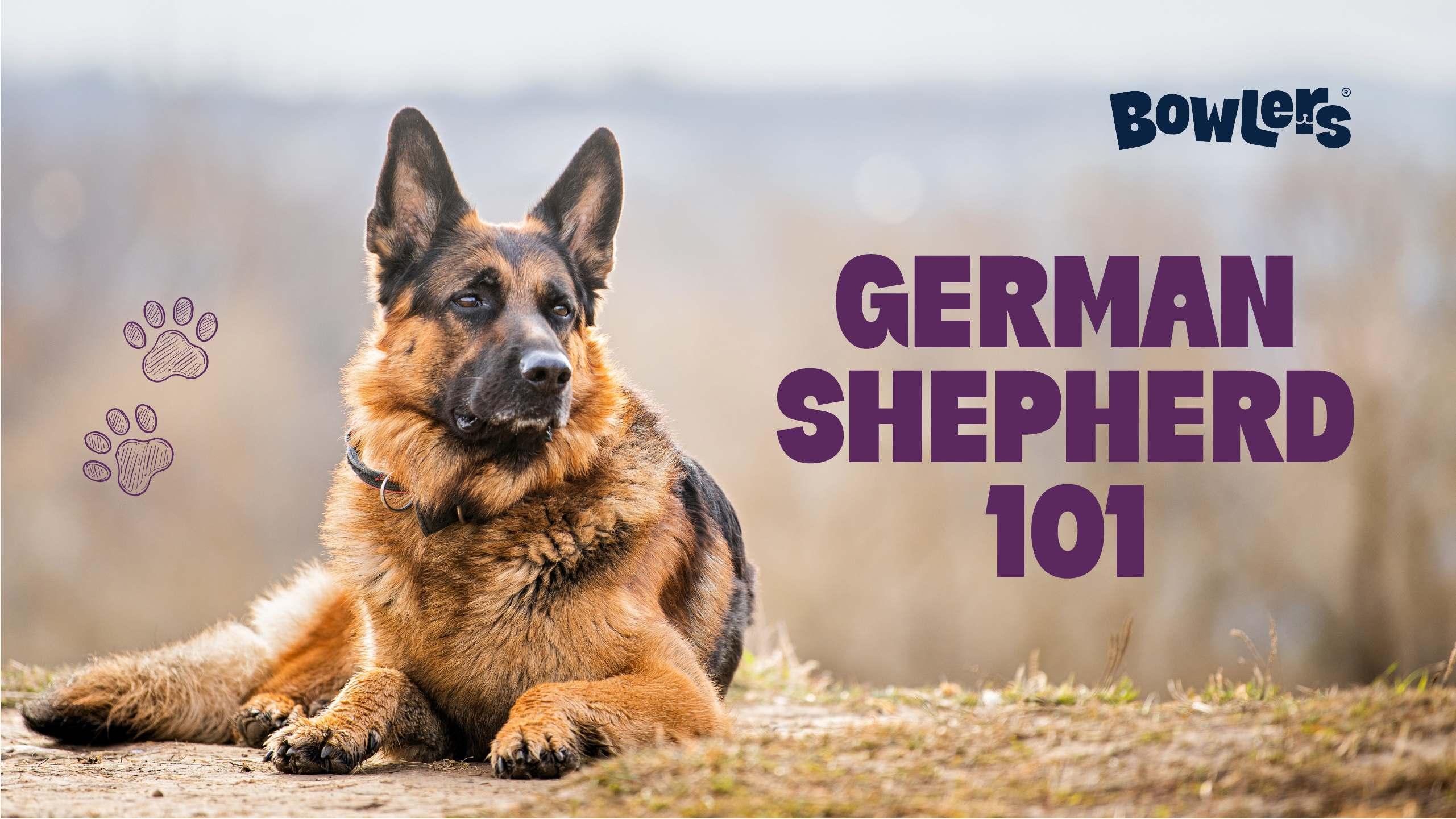
The German Shepherd is among the most respected and admired dog breeds worldwide. Known for their loyalty, intelligence, and versatility, they excel as working dogs, family protectors, and loving companions. From police and service roles to active households, this breed brings together strength, discipline, and devotion like no other.
This guide explores the German Shepherd’s defining traits, exercise needs, training fundamentals, nutrition, and daily care to help pet parents raise a well-balanced and confident dog.
This article is also part of our larger series on Popular Dog Breeds and Their Unique Characteristics, where we cover beloved breeds such as the Labrador Retriever, Golden Retriever, Beagle, and French Bulldog—helping families choose the right canine companion.
Understanding the German Shepherd’s Unique Traits
German Shepherds are widely recognised for their sharp intelligence, athletic physique, and deeply loyal nature. They develop strong emotional bonds with their families and possess natural protective instincts, making them dependable watchdogs.
A common question among new pet parents is:
“Are German Shepherds good family pets?”
Absolutely. With early training and proper socialisation, German Shepherds grow into gentle, affectionate, and reliable family dogs. They thrive best in homes that offer structure, mental engagement, and consistent physical activity.
Key Personality Traits
-
Highly Intelligent: Ranked among the smartest dog breeds, second only to Border Collies in working intelligence
-
Alert & Protective: Naturally observant and aware of their surroundings
-
Energetic: Require daily physical and mental stimulation
-
Highly Trainable: Learn commands quickly and enjoy structured routines
-
Deeply Loyal: Form lifelong bonds with their owners
Compared to other breeds, German Shepherds tend to be more protective than Golden Retrievers, while their responsiveness to training closely matches that of Labradors.
Exercise Requirements: Keeping a German Shepherd Active & Balanced
German Shepherds are high-energy dogs that need regular outlets for both physical and mental energy. Without enough activity, they may develop restlessness or destructive behaviour.
How Much Exercise Do German Shepherds Need?
Adult German Shepherds typically need 90 minutes to 2 hours of exercise daily, ideally divided into:
-
Morning walks or jogs
-
Afternoon playtime or fetch
-
Evening mental stimulation (training, puzzles, scent work)
Many owners ask, “Can a German Shepherd live in an apartment?”
Yes—provided their daily exercise needs are met. However, they generally do better in homes with more space.
Best Exercises for German Shepherds
-
Long walks or running
-
Fetch and tug games
-
Agility training
-
Swimming
-
Scent-tracking and nose work (similar to a Beagle’s instinctive abilities)
Regular exercise keeps them physically fit, mentally sharp, and emotionally stable—while also strengthening the bond between dog and owner. German Shepherd’s unique traits include exceptional intelligence, strong loyalty, and natural protective instincts.
Training Tips for German Shepherds
Training is essential for German Shepherds—not just for obedience, but for overall well-being. Their intelligence and eagerness to learn make training highly rewarding.
Start Early: Puppy Socialisation
Early exposure to people, environments, and other animals helps German Shepherd puppies develop confidence and emotional balance. This is especially important to ensure their protective instincts remain well-controlled.
Positive Reinforcement Is Key
Reward-based training using treats, praise, and encouragement works best. Since German Shepherds are food-motivated, small portions of healthy treats or Bowlers pet food are ideal for short training sessions.
Basic Commands to Start With
-
Sit
-
Stay
-
Come
-
Heel
-
Leave it
Once these are mastered, you can move on to advanced training such as agility, tracking, guarding skills, or trick training.
A frequently asked question is, “Are German Shepherds hard to train?”
Not at all. They are among the easiest breeds to train when consistency and patience are maintained.
Avoid Harsh Training Methods
Strict or punitive training can harm trust and confidence. German Shepherds perform best when training feels engaging and mentally stimulating rather than forceful. High-quality dog food supports a dog’s overall health, energy levels, and immunity.
Mental Stimulation Is Essential
To prevent boredom and anxiety, include activities such as:
-
Puzzle feeders
-
Hide-and-seek games
-
Obedience drills
-
Interactive toys
Diet & Nutrition: Feeding a German Shepherd Correctly
German Shepherds are muscular, active dogs with high nutritional needs—especially during their growing years. A balanced diet supports bone development, digestion, immunity, and overall vitality.
What Should a German Shepherd Eat?
A quality diet should include:
-
High protein for muscle development
-
Healthy fats for joint support
-
Essential vitamins and minerals for immunity
-
Easily digestible carbohydrates for sustained energy
Premium options like Bowlers Nutrimax Club (Adult) are designed to meet the energy demands of active breeds such as German Shepherds. These formulas support digestion, immunity, gut health, and vision. For convenience, pet parents can also buy dog food online to maintain a consistent feeding routine.
Portion Control Matters
Overfeeding can lead to weight gain and joint issues, including hip dysplasia. Always follow the feeding guidelines provided on Bowlers dog food packs or consult your veterinarian for personalised recommendations.
Grooming & Health Care Tips
German Shepherds have a double coat and are moderate shedders. While their grooming needs are manageable, a regular routine keeps them comfortable and healthy.
Grooming Essentials
-
Brush 2–3 times a week
-
Occasional baths
-
Regular nail trimming
-
Ear cleaning, especially after outdoor activities
German Shepherds vs Other Popular Dog Breeds
Labrador Retriever: More playful and social; often easier for first-time owners
Golden Retriever: Gentler temperament and highly affectionate
Beagle: Smaller size, scent-driven, and mentally active
French Bulldog: Low-energy and apartment-friendly
German Shepherds stand out for their unmatched intelligence, adaptability, and working ability—making them ideal for active, engaged households.
Frequently Asked Questions About German Shepherds
1. Are German Shepherds suitable for first-time owners?
Yes, with commitment to training, exercise, and structure.
2. How often should a German Shepherd be fed?
Typically 2–3 balanced meals per day, depending on age and activity level.
3. Do German Shepherds get along with other dogs?
Yes, especially when socialised from a young age.
4. What is the best food for a German Shepherd?
High-protein, balanced diets like Bowlers dog food that support joint, muscle, and digestive health.

 Arabic
 French
 Spanish
 Portuguese
 Deutsch
 Turkish
 Dutch
Dutch
 Italiano
 Russian
 Romaian
 Portuguese (Brazil)
 Greek
Greek