
Epsom Salt for Relieving Pain and Muscle Cramps Naturally
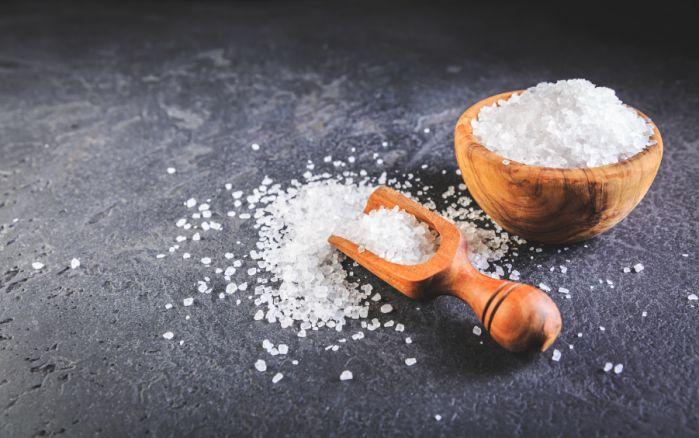
Muscle pain, body stiffness, and cramps are common problems in daily life, especially with long working hours, physical labor, stress, or intense workouts. Natural remedies are often preferred over chemical painkillers, and one traditional option that continues to gain popularity is epsom salt. Used for decades in home remedies, this mineral compound is known for its soothing and relaxing properties.
People in Pakistan increasingly look for affordable and effective ways to manage body pain at home. Epsom salt offers a simple solution that fits well into local lifestyles, whether after a tiring workday or during recovery from physical strain.
What Is Epsom Salt?
Epsom salt is not actually salt like table salt. Chemically, it is magnesium sulfate, a naturally occurring mineral compound. Magnesium plays an important role in muscle function, nerve signaling, and inflammation control, while sulfate helps improve nutrient absorption and toxin removal.
Because of this unique combination, epsom salt is widely used in baths, foot soaks, and compresses to relieve physical discomfort.
How Epsom Salt Helps Relieve Pain
Pain in muscles and joints often comes from tension, inflammation, or magnesium deficiency. Magnesium is essential for muscle relaxation, and many people do not get enough of it through diet alone.
When dissolved in warm water, epsom salt allows magnesium to be absorbed through the skin. This process helps calm overactive muscles and reduces soreness naturally.
Muscle Relaxation and Stress Relief
Tight muscles are one of the main causes of body pain. Magnesium supports muscle relaxation by regulating calcium levels in muscle cells. Once muscles relax, pressure on nerves decreases, resulting in less pain.
Warm epsom salt baths also help lower stress hormones, which can further reduce physical tension and mental fatigue.
Reduction of Inflammation
Inflammation is a common cause of joint pain and muscle cramps. Magnesium sulfate helps reduce swelling by improving circulation and flushing out excess fluids. This benefit is especially helpful for people suffering from knee pain, back pain, or post-exercise soreness.
Epsom Salt for Muscle Cramps
Muscle cramps often occur due to dehydration, overuse, or lack of essential minerals. Night cramps in legs and feet are particularly common among adults and elderly individuals.
Using epsom salt can help address cramps by restoring magnesium levels and improving blood flow to affected areas.
Sports and Exercise Recovery
Athletes, gym-goers, and people involved in physical jobs can benefit greatly from epsom salt baths. After exercise, muscles develop microscopic tears that cause soreness.
Soaking in epsom salt helps relax muscles, reduce lactic acid buildup, and speed up recovery time, making it easier to return to daily activities.
Relief from Leg and Foot Cramps
Long hours of standing or walking, common in professions like teaching, retail, and factory work in Pakistan, often lead to leg and foot cramps. A simple foot soak with epsom salt can ease pain and improve comfort within minutes.
Proper Ways to Use Epsom Salt
Correct usage is important to gain maximum benefits. Overuse or incorrect application may reduce effectiveness.
Epsom Salt Bath Method
Warm water baths are one of the most effective ways to use epsom salt for pain relief.
How to use:
-
Fill a bathtub with warm water
-
Add 1 to 2 cups of epsom salt
-
Stir water until fully dissolved
-
Soak body for 15–20 minutes
-
Relax and breathe deeply during soak
This method works well for full-body pain, muscle stiffness, and stress relief.
Foot Soak for Targeted Relief
Foot soaks are ideal for people without bathtubs or those experiencing localized pain.
Steps:
-
Use a bucket or tub filled with warm water
-
Add half a cup of epsom salt
-
Soak feet for 15 minutes
-
Dry feet properly after use
Foot soaks are popular in Pakistani households due to ease and affordability.
Warm Compress for Muscle Pain
For specific areas like shoulders, knees, or lower back, a warm compress works effectively.
How to apply:
-
Dissolve epsom salt in warm water
-
Soak a clean cloth in solution
-
Apply to painful area for 10–15 minutes
This method is helpful for people with joint pain or localized muscle cramps.
Safety Tips and Precautions
While epsom salt is generally safe, some precautions should be followed.
Who Should Avoid Use?
People with severe kidney problems, open wounds, or skin infections should consult a doctor before use. Diabetic patients should also seek medical advice before regular use, especially for foot soaks.
Proper Frequency of Use
Using epsom salt two to three times a week is usually sufficient. Daily use may not be necessary and could dry out skin.
Moisturizing skin after a bath helps prevent dryness.
Availability of Epsom Salt in Pakistan
Epsom salt is widely available across Pakistan. It can be found in:
-
Local medical stores
-
Herbal shops
-
Online marketplaces
-
Large supermarkets
Affordable pricing makes epsom salt accessible for most households, adding to its popularity as a home remedy.
Natural Pain Relief Solution for Daily Life
Chronic pain and muscle cramps can interfere with daily routines and overall quality of life. Natural remedies like epsom salt offer a gentle yet effective alternative to chemical pain relief methods.
Regular use, combined with proper hydration and a balanced diet, can significantly improve muscle health and reduce discomfort.
Final Thoughts
Pain relief does not always require expensive treatments or medications. Simple home solutions backed by traditional use and mineral benefits can make a real difference. Epsom salt stands out as a natural option for relieving muscle cramps, reducing pain, and promoting relaxation.
With correct usage and consistency, epsom salt can become a valuable part of a healthy lifestyle, especially for individuals dealing with physical strain and stress in everyday life.

 English
 Arabic
 French
 Spanish
 Portuguese
 Deutsch
 Turkish
 Dutch
Dutch
 Russian
 Romaian
 Portuguese (Brazil)
 Greek
Greek