
Hub Bearing Failure Causes Wheel Noise & Vibration
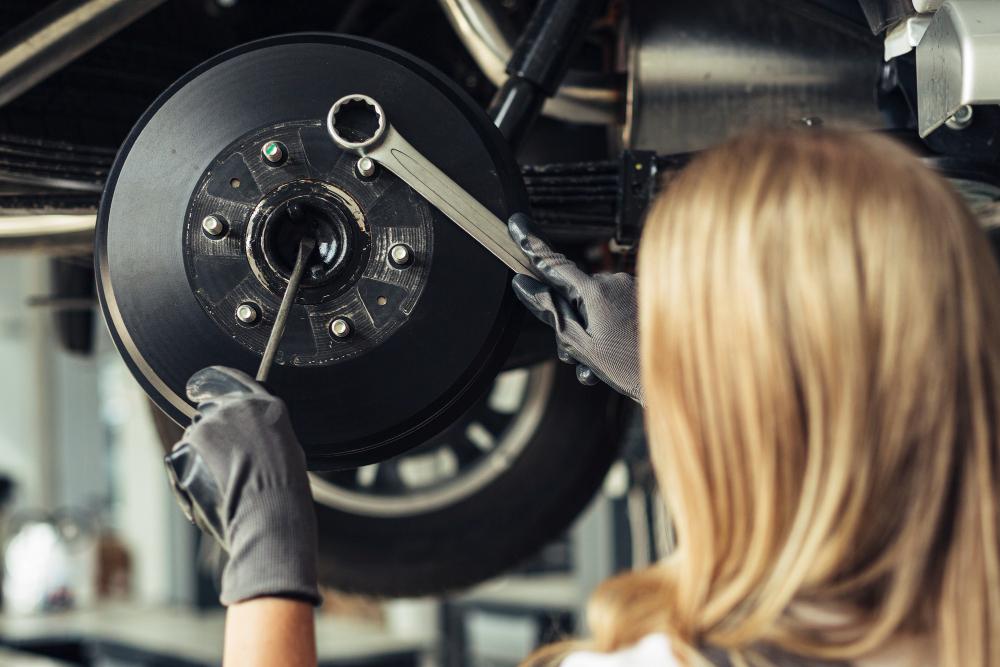
Strange wheel noise, steering vibration, or uneven tire wear are often ignored until they become serious safety issues. In many cases, the root cause is a failing hub bearing. This critical component supports the wheel assembly and allows smooth rotation under load. When it wears out, vehicle stability and driving comfort are immediately affected.
Hub bearings are not just about smooth driving—they are essential for safety, control, and long-term vehicle reliability.
Why Hub Bearing Problems Should Never Be Ignored
A worn hub bearing increases friction and allows excessive wheel movement. This leads to poor handling, longer braking distances, and stress on suspension and steering components. Over time, the damage spreads beyond the bearing itself.
Choosing a high-quality hub bearing helps maintain wheel alignment, reduce vibration, and protect surrounding parts from premature failure.
How Hub Bearings Support Safe and Smooth Driving
Stable Wheel Rotation
Hub bearings keep wheels rotating smoothly with minimal resistance. This ensures balanced movement even at high speeds or under heavy load.
Load and Impact Resistance
Designed to handle both radial and axial loads, hub bearings absorb shocks from road surfaces and maintain structural stability.
Reduced Noise and Vibration
Precision manufacturing minimizes friction and eliminates the humming or grinding sounds often caused by worn bearings.
Common Applications of Hub Bearings
Hub bearings are used across a wide range of vehicles and machinery, including:
-
Passenger cars and SUVs
-
Light and heavy commercial vehicles
-
Electric and hybrid vehicles
-
Industrial and utility transport systems
In all these applications, hub bearing reliability directly affects performance and safety.
Warning Signs of a Failing Hub Bearing
Ignoring early symptoms can lead to wheel lock-up or complete bearing failure. Common warning signs include:
-
Humming or grinding noise from the wheels
-
Steering wheel vibration
-
Uneven tire wear
-
ABS sensor malfunction
Replacing worn components in time with a reliable hub bearing helps prevent accidents and costly repairs.
Hub Bearings vs. Low-Quality Alternatives
Low-grade bearings often fail due to poor sealing, weak materials, and inaccurate tolerances. While they may reduce upfront cost, they significantly increase maintenance frequency and safety risks.
High-quality hub bearings offer:
-
Longer service life
-
Better sealing against dust and moisture
-
Consistent performance under load
-
Lower total ownership cost
This makes them the preferred choice for mechanics, fleet managers, and vehicle owners.
Why OEM-Standard Hub Bearings Matter
OEM-standard hub bearings are tested for durability, load capacity, and real-world driving conditions. These standards ensure predictable performance and compatibility with modern braking and suspension systems.
Choosing trusted options like hub bearing products helps maintain vehicle safety and long-term reliability.
Best Practices to Extend Hub Bearing Life
Even premium hub bearings require proper installation and care. To maximize lifespan:
-
Ensure correct torque during installation
-
Avoid contamination during handling
-
Replace bearings in pairs when recommended
-
Address suspension or alignment issues promptly
Following these practices helps maintain consistent wheel performance.
Conclusion
A failing hub bearing affects more than comfort—it compromises vehicle control and safety. Investing in the right hub bearing reduces noise, improves handling, and protects critical components. Timely replacement is not just maintenance—it’s a safety decision.

 English
 Arabic
 French
 Spanish
 Portuguese
 Deutsch
 Turkish
 Dutch
Dutch
 Italiano
 Russian
 Portuguese (Brazil)
 Greek
Greek