
How Can Compassion Change Lives During Flood Crises
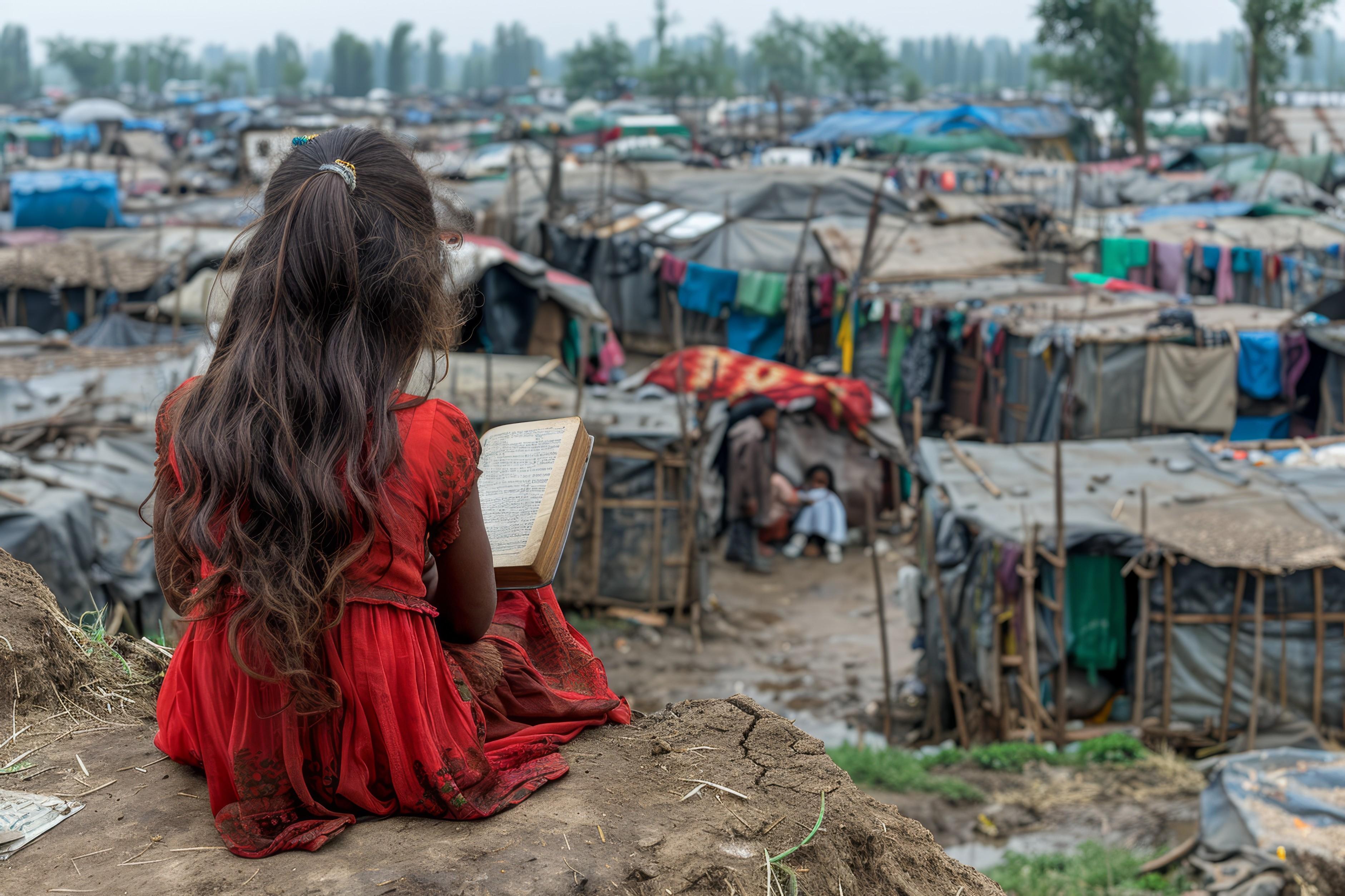
Every year, the headlines are similar. Across South Asia, the monsoon doesn't just bring rain it brings a total upheaval of life. For so many people a flood isn't a weather event, it's a thief that steals homes, lives, and the sense of safety. While we can’t stop the rain, we can absolutely change how we respond to it.
The secret to effective charity isn't just about the amount of aid it’s about the strategy of the support.
Understanding the Flood Reality
We have to stop treating these floods as seasonal surprises. With nearly a third of Bangladesh at risk annually, the challenge is systemic. Climate change has turned once-in-a-century floods into a frequent reality. This shift means that the old way of giving, reacting only when the water is already at the door, is no longer enough. We need a bridge between immediate rescue and long-term resilience.
Why Community Support Matters Most
When a village goes under, the first person to offer a hand isn't a government official, it’s a neighbor. The most impactful Bangladesh charity projects focus on this reality. By empowering local leaders and volunteers aid becomes surgical. It finds the elderly woman trapped in her home or the single mother who isn't on the official registry. This isn't just charity; it’s community fortification.
Emergency Aid Versus Long-Term Recovery
Short-Term Relief Saves Lives
In the early days of a flood, clean water, food, and temporary shelter are critical. According to disaster management experts, access to clean drinking water alone can reduce the risk of disease outbreaks by over 50 %.
Several Bangladesh flood charities work on rapid response systems. These systems deliver emergency kits within hours not days, which can be the difference between survival and tragedy.
Long-Term Support Restores Dignity
Relief does not end when floodwaters recede. Families need help rebuilding homes, restoring farms, and sending children back to school. Long-term programs focus on livelihood recovery such as providing seeds, tools and livestock.
This is where sustainable planning shows real impact.
How Faith-Based Giving Shapes Relief Work
Faith-inspired giving plays a major role in humanitarian aid. Many donors feel a moral responsibility to help those in distress and especially during disasters.
Organizations like islam relief are often mentioned by aid experts for combining emergency assistance with development programs. Their approach highlights accountability, local partnerships, and respect for cultural values.
Transparency Builds Trust
Donors today want to know where their money goes. Transparency is no longer optional. Charity analysts suggest that clear reporting increases donor confidence and encourages repeat giving.
Successful Bangladeshi charity projects often publish impact reports, showing how funds are used and how many families benefit. This openness helps donors feel connected to the cause.
Flood Preparedness Reduces Future Losses
Preparedness can save lives and reduce costs. Disaster specialists note that every dollar spent on preparedness can save up to seven dollars in future losses.
Some Bangladesh flood charities invest in early warning systems, raised shelters, and community training. These measures help families evacuate safely and protect essential belongings.
Expert Insight on Sustainable Aid
Humanitarian experts emphasize that aid should never create dependency. Instead it should build skills and resilience. For example training farmers in flood resistant crops helps them recover faster and reduces the need for repeated aid.
Programs supported by groups such as islam relief often focus on education, health, and disaster preparedness alongside emergency relief, creating a balanced approach.
Why Thoughtful Giving Makes a Difference
The days of blind giving are over. Today’s donors want to see the footprint of their money. The best organizations now lead with transparency, offering clear impact reports and real-world data.
When a charity shows you exactly how a village went from crisis to self-sufficiency in twelve months, it builds a bond of trust that no marketing campaign can match.
Final Thoughts
Floods may be an act of nature, but the suffering that follows is often an act of poor planning. By shifting our focus to sustainable aid, local empowerment, and radical transparency, we can ensure that our contributions do more than just provide a meal, they provide a future.
FAQs
Why is flood aid needed every year?
Seasonal monsoon rains and climate change increase flood risks, making annual preparedness and response essential.
How do charities decide who gets help first?
Most prioritize families with children, elderly members, or disabilities, based on on-ground assessments.
Is long-term support more important than emergency aid?
Both are equally important. Emergency aid saves lives, while long-term support helps families rebuild and become resilient.
How can donors ensure their help is effective?
Choose charities that share impact reports, work with local communities, and focus on sustainable recovery.
Does preparedness really reduce damage?
Yes, studies show that early warnings and community training significantly lower loss of life and property damage.

 English
 Arabic
 French
 Spanish
 Deutsch
 Turkish
 Dutch
Dutch
 Italiano
 Russian
 Romaian
 Portuguese (Brazil)
 Greek
Greek