
Micro OLED Display for AR/VR with Sharp Visual Output
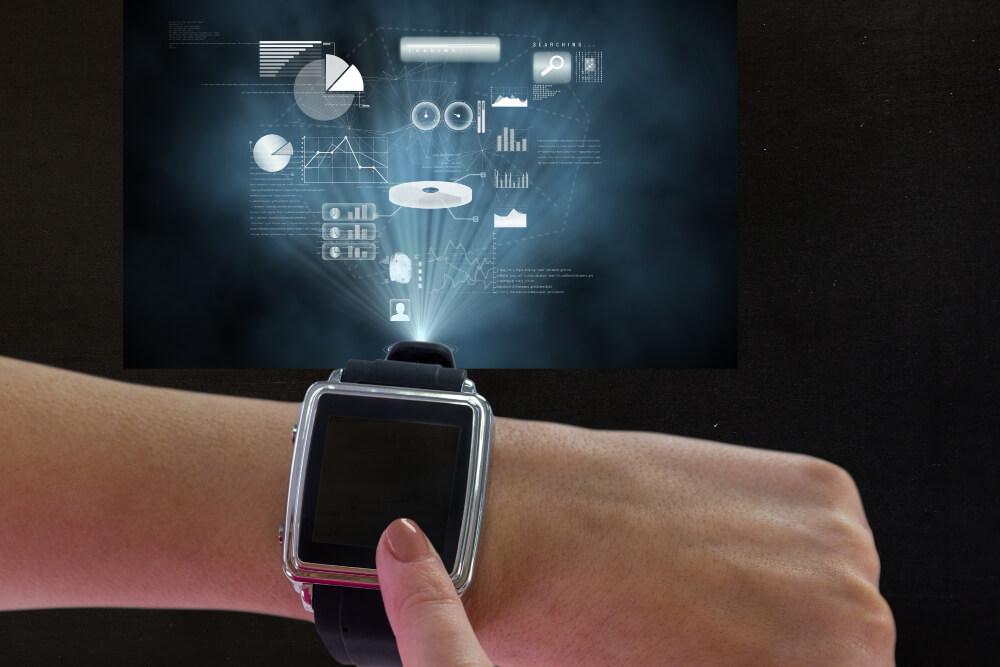
AR/VR headsets, thermal optics, and wearable devices require very small, very sharp displays placed close to the human eye. Traditional LCD, TFT, and even standard OLED panels were not designed for this purpose. They are larger, consume more power, and show visible pixel gaps when viewed at short distances.
Resolution and Pixel Density Limits
Most conventional displays have limited pixels per inch (PPI). When placed inside near-eye optics, users start seeing screen-door effects, blurred edges, and poor image sharpness. This directly affects user experience in AR/VR and precision in optical instruments.
Heat and Power Challenges
Older display types require backlighting or larger driving circuits. This increases heat and battery consumption, which is a serious problem for wearable and compact devices.
What Is a micro oled display?
A micro oled display is built on a silicon (CMOS) backplane instead of glass. This allows millions of tiny pixels to be controlled in a very small area. The result is an ultra-compact display with extremely high resolution and low power usage.
Silicon Backplane Explained
The silicon layer acts as an active matrix that controls each pixel precisely. Because silicon circuits are very small and efficient, the display size reduces while pixel density increases significantly.
How Micro OLED Works in Optical Systems
Micro OLED panels are integrated with optical lenses, prisms, and waveguides in AR/VR headsets and optical modules. The display projects light through these elements directly into the user’s eye, creating a virtual image.
Because of the high PPI and contrast ratio, the image appears sharp, bright, and natural even at a very close viewing distance.
How This Technology Solves Old Display Problems
Micro OLED removes the need for backlighting, reduces power draw, and eliminates visible pixel gaps. It also produces less heat and fits easily into compact optical assemblies.
Problems solved:
-
No screen-door effect
-
Lower battery consumption
-
Minimal heat generation
-
Smaller module size
-
Better image clarity
Key Features Important for Engineers
Engineers and product designers prefer this technology because of practical performance benefits:
-
Ultra-high pixel density (PPI)
-
Very compact display size
-
High contrast ratio and true blacks
-
Fast response time for motion visuals
-
Low power consumption
-
Easy integration into optical modules
Micro OLED vs LCD vs OLED
| Feature | Micro OLED | LCD | Standard OLED |
|---|---|---|---|
| Backlight Needed | No | Yes | No |
| Pixel Density (PPI) | Very High | Low | Medium |
| Power Consumption | Low | High | Medium |
| Heat Generation | Very Low | High | Medium |
| Size Compatibility | Excellent | Poor | Limited |
| Near-Eye Clarity | Excellent | Poor | Good |
Real Applications in Industry
AR/VR Headsets
Provides sharp visuals and immersive experience in compact headsets.
Thermal & Night Vision Devices
Used in defense optics for clear imaging in dark environments.
Digital Viewfinders
Used in cameras and optical instruments for precise viewing.
Medical and Defense Optics
Helpful in surgical optics and military wearable systems.
Many manufacturers source advanced micro oled display modules for these high-performance applications.
Why Manufacturers Prefer Micro OLED
Manufacturers prefer this display because it reduces overall product size while improving performance. It simplifies optical alignment, reduces battery needs, and increases product reliability.
It also allows innovative product designs that were not possible with larger display technologies.
How to Choose the Right Micro OLED Display
When selecting a display, buyers and engineers should check:
-
Resolution and PPI
-
Display size in inches
-
Brightness (nits)
-
Interface compatibility
-
Power requirements
-
Optical alignment suitability
Choosing the right specifications ensures better performance in the final device.
Conclusion
As AR/VR, wearable optics, and smart viewing systems continue to grow, the demand for compact and high-clarity displays is increasing. Traditional display technologies cannot meet these requirements due to size, heat, and resolution limits.
Micro OLED technology offers a practical and high-performance solution for modern optical systems. Its small size, high pixel density, and low power usage make it the preferred choice for manufacturers and engineers building next-generation devices.

 English
 Arabic
 French
 Spanish
 Portuguese
 Deutsch
 Turkish
 Dutch
Dutch
 Italiano
 Romaian
 Portuguese (Brazil)
 Greek
Greek