
The Environmental Impact of Bus Rental vs Individual Travel in Dubai
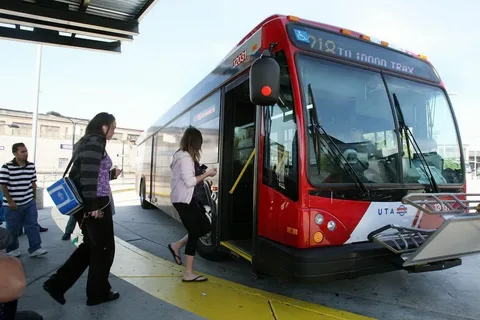
Dubai continues to grow as a global business and tourism hub. With this growth comes increased pressure on transportation systems and the environment. Daily commuting, tourism movement, and corporate travel all contribute to carbon emissions and fuel consumption. Understanding how different travel choices affect the environment helps individuals and organizations make more responsible decisions. This article explores how shared bus transportation compares with individual travel in terms of environmental impact across Dubai.
Dubai’s transport sector plays a major role in overall emissions. Road traffic accounts for a large share of fuel use and air pollution. While private cars offer convenience, they also increase congestion and environmental strain. Group transportation solutions offer an alternative that can significantly reduce this impact when used effectively.
Dubai’s Transportation Landscape and Environmental Challenges
Dubai relies heavily on road-based transport. Private vehicles dominate daily movement despite ongoing investments in public infrastructure. This creates challenges related to emissions, energy consumption, and air quality.
Rapid urban development adds to travel demand. Longer travel distances and peak-hour congestion increase idle time on roads. This leads to higher fuel burn and unnecessary emissions. Environmental sustainability has become a central focus for future transport planning across the city.
Reducing per-person emissions is one of the most effective ways to address these challenges. The type of transport chosen plays a direct role in achieving this goal.
Understanding Emissions from Individual Travel
Individual travel usually involves one person per vehicle or a small number of occupants. This model results in higher emissions per passenger compared to shared transport.
Private vehicles contribute to environmental strain in several ways:
-
Higher fuel consumption per traveler
-
Increased carbon dioxide output
-
Greater demand for road space
-
More frequent traffic congestion
-
Elevated noise pollution in urban areas
Even fuel-efficient cars produce emissions when used daily. When multiplied by thousands of vehicles on the road, the cumulative environmental impact becomes significant.
Short trips and stop-and-go traffic further worsen efficiency. Engines consume more fuel during acceleration and idle periods. This is common during peak hours in Dubai’s busiest areas.
How Group Transportation Reduces Environmental Impact
Shared transport systems are designed to move more people using fewer vehicles. This directly lowers emissions per passenger. A single vehicle replacing multiple cars can reduce fuel use and road congestion at the same time.
Bus-based travel offers environmental advantages because capacity is optimized. When seats are filled, energy use per person drops sharply. This efficiency becomes more evident during corporate events, school transport, and tourism activities.
Key environmental benefits include:
-
Lower emissions per passenger
-
Reduced overall fuel consumption
-
Fewer vehicles on the road
-
Decreased traffic congestion
-
Improved air quality in dense areas
-
Lower demand for parking infrastructure
These benefits align closely with Dubai’s sustainability objectives. Shared transport supports cleaner mobility without sacrificing practicality.
Fuel Efficiency and Energy Use Comparison
Fuel efficiency is not only about engine performance. It also depends on how many people share the energy used. A fully occupied bus uses more fuel than a single car, but far less fuel per person.
Modern fleets often use advanced engines that meet strict emission standards. Some operators are also adopting low-emission vehicles and alternative fuel options. This further improves environmental performance compared to older private cars still in use.
Individual vehicles often operate far below capacity. One person using a large vehicle wastes energy potential. In contrast, group transport maximizes each liter of fuel consumed.
Over time, this efficiency difference leads to measurable reductions in greenhouse gas output across the transport network.
Impact on Traffic Congestion and Air Quality
Traffic congestion is a major contributor to pollution in Dubai. Vehicles stuck in traffic continue to emit exhaust gases without covering distance. This increases localized air pollution and fuel waste.
Replacing multiple cars with one shared vehicle helps reduce congestion levels. Fewer vehicles mean smoother traffic flow and shorter idle times. This has a direct effect on emission reduction.
Improved air quality benefits both the environment and public health. Lower concentrations of pollutants reduce respiratory issues and enhance overall urban livability. Dense commercial and residential areas gain the most from these improvements.
Strategic use of Bus Rental during peak periods can ease pressure on major routes and business districts.
Carbon Footprint Per Passenger
Carbon footprint measures the total emissions produced by an activity. In transportation, it is often calculated per passenger per kilometer. Individual travel scores higher on this scale due to inefficient occupancy.
Group transport spreads emissions across many passengers. This significantly lowers the carbon footprint for each traveler. The difference becomes even more pronounced for long-distance or repeated trips.
Factors that influence per-passenger emissions include:
-
Vehicle capacity utilization
-
Route planning efficiency
-
Driving behavior and speed consistency
-
Vehicle maintenance standards
When managed properly, shared transport offers one of the most practical ways to reduce personal and organizational carbon impact without limiting mobility.
Infrastructure and Urban Space Efficiency
Environmental impact extends beyond emissions. Road space, parking areas, and infrastructure maintenance also affect sustainability. Individual travel requires more physical space per person.
Large numbers of private vehicles demand extensive parking facilities. This increases land use and contributes to urban heat buildup. Shared transport reduces the need for parking infrastructure, freeing space for greener development.
Fewer vehicles also reduce wear and tear on roads. This lowers the environmental cost associated with construction and maintenance activities. Over time, efficient transport choices help cities manage resources more responsibly.
Long-Term Sustainability Goals in Dubai
Dubai has set ambitious sustainability and clean energy targets. Transportation plays a critical role in achieving these goals. Encouraging shared mobility aligns with broader environmental strategies.
Many organizations now assess transport decisions as part of their sustainability policies. Reducing emissions from employee and visitor travel is often one of the easiest improvements to implement.
Tourism operators, schools, and corporate planners increasingly recognize the environmental value of organized transport solutions. These choices support both operational efficiency and environmental responsibility.
Making Environmentally Responsible Travel Choices
Choosing environmentally responsible transport does not require major lifestyle changes. Small decisions can lead to meaningful impact when adopted at scale.
Responsible travel planning involves:
-
Prioritizing shared transport for group movement
-
Reducing unnecessary individual trips
-
Selecting providers with modern, well-maintained fleets
-
Supporting initiatives that promote sustainable mobility
Each of these steps contributes to lower emissions and better urban conditions. In a city like Dubai, where travel demand continues to rise, these choices matter more than ever.
Conclusion
The environmental impact of transportation choices in Dubai is clear. Individual travel offers flexibility but comes at a higher environmental cost. Shared transport solutions significantly reduce emissions, congestion, and resource use when applied effectively.
By understanding how group travel compares with private vehicle use, individuals and organizations can make smarter decisions. These decisions support cleaner air, reduced fuel consumption, and long-term sustainability. In a rapidly growing city, responsible mobility is not just an option. It is a necessity.

 English
 French
 Spanish
 Portuguese
 Deutsch
 Turkish
 Dutch
Dutch
 Italiano
 Russian
 Romaian
 Portuguese (Brazil)
 Greek
Greek