
Palletised Distribution | A Complete Guide to Efficient and Scalable Logistics Solutions
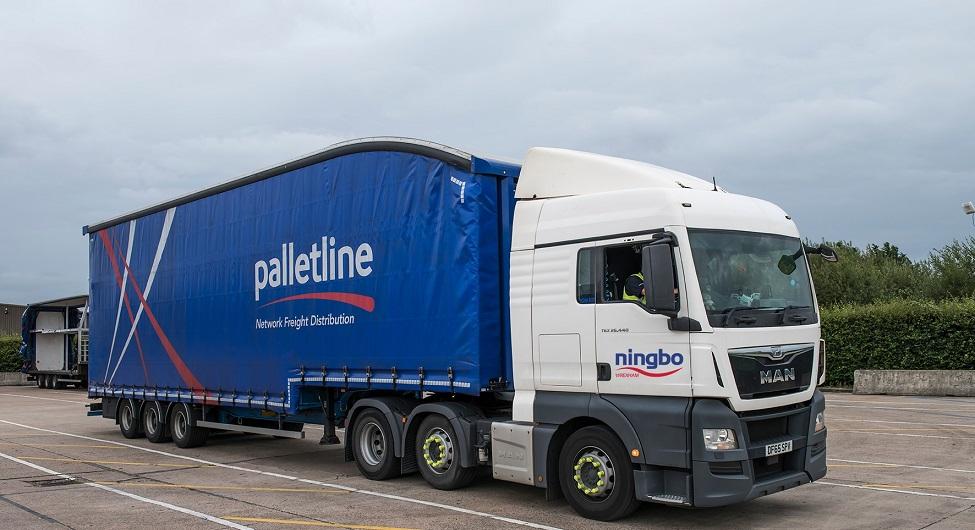
In today’s competitive marketplace, businesses depend on fast and reliable logistics to keep products moving smoothly from manufacturers to customers. Delays, damaged goods, and inefficient transport methods can quickly lead to higher costs and dissatisfied clients. As supply chains become more complex, companies need smarter ways to handle and ship their goods. One of the most effective solutions is palletised distribution, a system that has transformed modern freight management.
By standardizing the way goods are packed, stored, and transported, pallet-based shipping simplifies every step of the logistics process. From small businesses sending occasional shipments to large enterprises moving thousands of products daily, this approach offers unmatched efficiency and protection. It reduces handling time, improves safety, and ensures that deliveries reach their destinations in perfect condition.
This article explores how palletised systems work, their benefits, applications, and why they remain the backbone of modern distribution networks.
What Is Palletised Distribution?
Palletised distribution is a logistics method where goods are stacked and secured onto pallets before transportation. A pallet acts as a stable platform that allows items to be grouped into a single, manageable load. Once wrapped or strapped, the pallet can be lifted and moved easily using forklifts, pallet jacks, or automated systems.
Instead of handling dozens or hundreds of individual boxes, workers move one consolidated unit. This not only saves time but also minimizes the risk of damage. The uniform shape and size of pallets allow for easier storage and stacking, which improves warehouse organization.
By creating consistency across shipments, palletised systems make logistics faster, safer, and more predictable.
How Pallet Systems Work in Practice
The process begins with goods being carefully packed onto a pallet. Items are arranged evenly to distribute weight and then secured with shrink wrap or straps. Labels and barcodes are attached for tracking.
Once prepared, pallets are transported to distribution hubs or depots. At these locations, they are sorted based on destination and loaded onto delivery vehicles. Because pallets are standardized, loading and unloading happens quickly, often in just minutes.
Throughout the journey, palletised distribution allows shipments to be handled efficiently with minimal manual effort, reducing both labor costs and transit times.
Benefits of Palletised Distribution
The popularity of pallet-based shipping is not accidental. It offers numerous advantages that directly impact business performance.
First, it increases speed. Workers can move entire loads at once instead of individual parcels, which significantly reduces handling time.
Second, it improves protection. Secured goods are less likely to shift or break during transport.
Third, it enhances organization. Standard pallet sizes simplify storage and maximize warehouse space.
Fourth, it lowers costs. Faster handling and fewer damages mean reduced operational expenses.
These benefits make palletised distribution a smart choice for companies seeking reliable logistics solutions.
Improved Safety for Workers and Goods
Safety is a critical factor in any logistics operation. Repeated manual lifting of heavy boxes can cause injuries and slow down productivity. Pallet systems reduce this risk by allowing mechanical equipment to do most of the heavy lifting.
Forklifts and pallet trucks handle loads safely and efficiently, minimizing physical strain on workers. Additionally, fewer touchpoints mean fewer chances for accidents or product damage.
By improving both employee safety and cargo security, palletised distribution creates a more reliable working environment.
Cost Efficiency and Budget Control
Logistics expenses can quickly add up if processes are inefficient. Fuel costs, labor hours, and product losses all affect the bottom line. Pallet systems help control these expenses through better resource management.
Because pallets consolidate goods, trucks can carry more items per trip. This maximizes vehicle capacity and reduces the number of journeys required. Shared distribution networks allow multiple businesses to combine loads, further cutting costs.
Over time, palletised distribution helps companies save money while maintaining high service standards.
Applications Across Different Industries
One of the reasons pallet shipping is so popular is its versatility. It works well for many types of industries and products.
Retailers use pallets to move stock between warehouses and stores efficiently. Manufacturers transport raw materials and finished goods in bulk. Food and beverage companies rely on pallets for safe handling of packaged items. Construction firms use them for heavy materials such as tiles, tools, and equipment.
Even e-commerce businesses benefit by organizing large volumes of orders into manageable loads. Because it suits so many needs, palletised distribution has become a universal logistics solution.
Warehousing and Storage Advantages
Warehouses must use space wisely to remain efficient. Pallets help maximize storage capacity by allowing vertical stacking. Instead of spreading items across the floor, loads can be placed on racks and shelves safely.
This structured system improves inventory management. Workers can quickly identify, access, and move goods without confusion. Organized storage reduces errors and speeds up order fulfillment.
Through smart warehouse design, palletised distribution contributes to smoother operations and better productivity.
Technology and Tracking Improvements
Modern logistics is increasingly data-driven. Many pallet systems now integrate advanced tracking technologies such as barcodes, RFID tags, and GPS monitoring. These tools provide real-time updates about shipment locations and delivery times.
Digital records also make it easier to manage inventory and prevent losses. Businesses can track every pallet from dispatch to arrival, ensuring transparency and accountability.
With these innovations, palletised distribution becomes not only efficient but also highly intelligent and responsive.
Environmental and Sustainability Benefits
Sustainability is becoming a priority for companies worldwide. Pallet-based logistics support eco-friendly practices in several ways. Consolidated loads reduce the number of vehicles on the road, lowering fuel consumption and emissions.
Reusable pallets also minimize packaging waste compared to disposable materials. Many logistics providers repair and recycle pallets to extend their lifespan.
By choosing palletised distribution, businesses can reduce their environmental footprint while maintaining strong performance.
Choosing the Right Distribution Partner
A successful logistics strategy depends on working with a reliable provider. Experience, network coverage, and service quality should all be considered. A good partner offers timely deliveries, secure handling, and clear communication.
Look for providers with modern equipment, trained staff, and strong customer support. Flexible scheduling and scalable services are also important as your business grows.
With the right partnership, palletised distribution can become a powerful tool for long-term success.
Future Trends in Pallet Logistics
The future of logistics is shaped by automation and smart technology. Robotics, artificial intelligence, and advanced warehouse systems are improving speed and accuracy. Smart pallets with tracking sensors are becoming more common, offering even better visibility.
As businesses demand faster deliveries and greater efficiency, pallet-based systems will continue to evolve. Companies that adopt modern practices early will stay ahead of competitors.
The foundation of these advancements remains the same: organized and standardized freight handling.
Conclusion
Efficient logistics is essential for business growth and customer satisfaction. Pallet-based shipping provides a practical solution that improves speed, safety, and cost control. By grouping goods into stable, easy-to-handle loads, companies can streamline operations and protect their products.
From warehouses to delivery trucks, every stage of the supply chain benefits from structured handling methods. Whether you operate a small enterprise or a large corporation, adopting palletised distribution can transform your logistics performance.

 English
 Arabic
 Spanish
 Portuguese
 Deutsch
 Turkish
 Dutch
Dutch
 Italiano
 Russian
 Romaian
 Portuguese (Brazil)
 Greek
Greek