
Logo Design Process Explained by Expert Logo Designers
A logo is often the first thing people notice about a brand. It appears on websites, social media pages, packaging, and marketing materials. Because of this, a logo must do more than look good. It needs to communicate trust, purpose, and identity in a simple visual form.
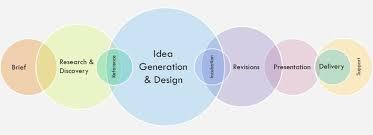
Professional logo designers follow a structured process that helps turn a business idea into a clear and meaningful visual identity. We will explain that process step by step, so readers can understand how professional logo designers work and why each stage matters.
Step 1 – Client Discovery and Brand Research
The logo design process begins with discovery and research because strong logos are built on understanding, not assumptions. Professional logo designers start by learning everything they can about the business. This includes the company’s mission, values, products, and long-term goals. They also look closely at the target audience, who they are, what they care about, and how they make decisions.
At the same time, designers study competitors and the wider market. This step helps them see what visuals already exist and where brands tend to look alike. Think of it as mapping the neighborhood before building a house. By understanding what already stands, logo designers can create something that fits the space while still standing out. Research at this stage ensures the logo has direction, relevance, and purpose from the start.
Step 2 – Defining the Logo Design Direction
Once research is complete, logo designers turn insights into a clear visual direction. This is where strategy becomes design. Designers decide which type of logo best suits the brand, whether it’s a wordmark, symbol, lettermark, or a combination. Each option serves a different function, and the choice depends on how the brand plans to use the logo across platforms.
Along with structure, designers establish the visual tone. They define color direction, typography style, and overall mood. Colors are chosen for emotion and clarity, while fonts are selected for readability and personality. This step acts like a design blueprint. It keeps the process focused and ensures that every creative choice aligns with the brand’s identity rather than personal preference.
Step 3 – Concept Development and Sketching
With a clear direction in place, logo designers move into concept development. This is the most creative phase, where ideas begin to take shape. Designers brainstorm multiple concepts that reflect the brand’s story, values, and positioning. At this stage, they focus on exploration rather than perfection, allowing ideas to flow freely without overthinking details.
Many professional logo designers still rely on sketching during this phase. Sketches help test ideas quickly and reveal strong compositions early on. It’s similar to drafting an outline before writing a full article. By working through rough drafts first, designers can refine the strongest ideas before committing them to digital form.
Step 4 – Digital Design and Refinement
After selecting the most promising concepts, logo designers bring them into digital design tools. This phase focuses on precision and balance. Designers carefully adjust shapes, spacing, and alignment to create a logo that feels clean and intentional. What looked good on paper now gets tested for accuracy and consistency on screen.
Refinement is where small details make a big difference. Designers experiment with color combinations, typography weights, and proportions to ensure the logo remains clear at all sizes. They also test the logo in black and white to confirm it works without color support. This step ensures the logo is flexible, practical, and ready for real-world use.
Step 5 – Client Feedback and Revisions
Logo design is a collaborative process, and client feedback plays an important role. Professional logo designers present their concepts with context, explaining the reasoning behind each design choice. Instead of simply showing visuals, they connect the design back to the brand’s goals and audience. This helps clients evaluate the logo with purpose, not just personal taste.
Revisions are handled carefully. Designers listen to feedback and make thoughtful adjustments while protecting the logo’s integrity. The goal is not to apply every suggestion blindly but to refine the design without losing clarity or strategy. Through guided revisions, both designer and client move toward a final logo that feels right and works effectively.
Step 6 – Finalizing the Logo Design
Once revisions are complete, logo designers prepare the design for practical use. They test the logo across different platforms, including websites, social media, print materials, and packaging. This testing checks readability, contrast, and scalability. A logo must look just as strong on a mobile screen as it does on a billboard.
Designers also focus on long-term usability. They avoid unnecessary complexity and trend-heavy elements that may not age well. Instead, they refine the logo to be simple, clear, and adaptable. This approach helps ensure the logo remains effective as the brand grows and evolves.
Step 7 – Delivering Final Logo Files and Assets
The final step is delivery. Professional logo designers provide all necessary file formats, including vector and raster versions. These files allow the logo to be used across digital and print platforms without losing quality. Designers also include different variations, such as full color, black, white, and icon versions.
In addition, designers often share basic logo usage guidelines. These explain how to size, space, and place the logo correctly. Clear guidelines help businesses maintain consistency and protect their visual identity over time. At this point, the logo has become a usable brand asset.
Conclusion
The logo design process is more than creating an attractive mark. It involves research, strategy, creativity, and careful execution. Professional logo designers follow a clear process to ensure that each logo reflects the brand’s identity and serves its business goals.
By understanding this process, businesses can better appreciate the value of professional design and make informed decisions when investing in their brand identity.

 English
 Arabic
 French
 Spanish
 Portuguese
 Turkish
 Dutch
Dutch
 Italiano
 Russian
 Romaian
 Portuguese (Brazil)
 Greek
Greek